

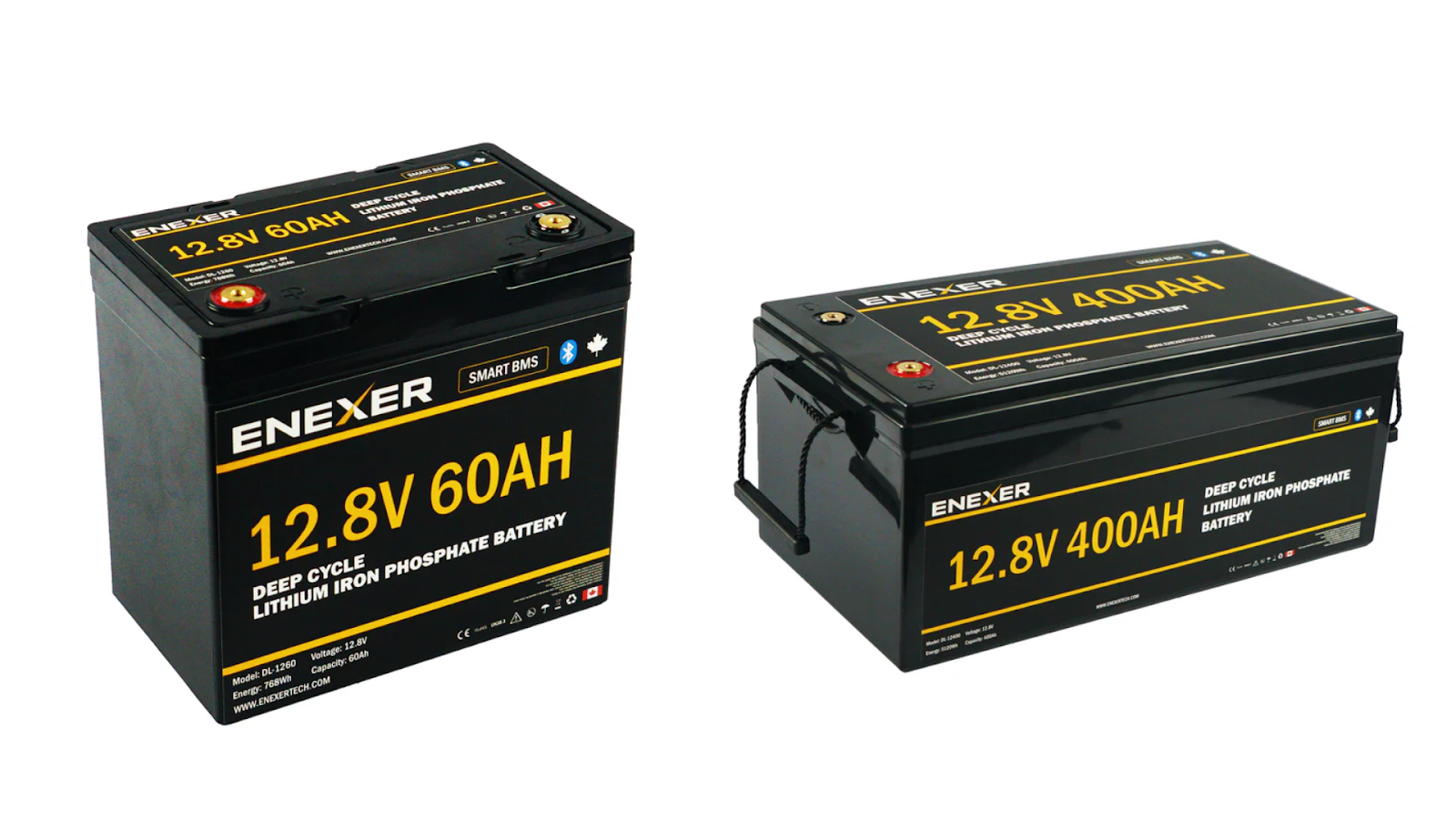
When you’re off the grid in your Recreational Vehicle (RV), a reliable power source is crucial. Deep-cycle batteries are key to providing the energy needed for lights, appliances, and other electronics when you’re far from a power hookup. Proper maintenance is essential to ensure they last and continue to function optimally.
Here’s how to keep your deep-cycle batteries in top condition.
What Are Deep-Cycle Batteries For RVs?
Deep-cycle batteries are different from regular car batteries. While car batteries deliver quick bursts of power, deep-cycle batteries provide a steady flow of energy over extended periods, making them ideal for Recreational vehicles. These deep cycle batteries for RV can be discharged and recharged many times without damaging them. They come in various types like AGM, Gel, and Lithium, but all need proper care to perform at their best.
Charging Deep-Cycle Batteries The Right Way
Proper charging is key to maintaining your deep-cycle batteries. Here’s how to do it right:
- Avoid Overcharging: Overcharging can damage the battery and shorten its lifespan. Always use a charger with an automatic shut-off function.
- Use a Smart Charger: A smart charger adapts to the battery’s needs, preventing overcharging and undercharging, both of which can harm the battery.
- Charge Early: Charge the battery when it drops below 50% to avoid deep discharge, which reduces capacity.
Tip: If your RV will be idle for a while, consider a trickle charger to maintain the battery without overcharging.
Keep The Battery Clean And Dry
Moisture and dirt can damage deep-cycle batteries. Regular maintenance is necessary to keep them performing well:
- Clean the Terminals: Dust and corrosion can build up on the battery terminals, causing poor connections. Clean them with a baking soda and water solution, scrub with a brush, and wipe them down.
- Look for Leaks: Check the battery for any signs of leaks. Acid leakage can damage your RV’s electrical system, so replace the battery if any leaks are found.
- Prevent Moisture Build-Up: Moisture can lead to rust and corrosion. Store the battery in a dry place or use a waterproof compartment to protect it.
Monitoring Battery Voltage
Keeping an eye on the voltage helps prevent permanent damage.
- Check Voltage Regularly: Use a multimeter to check the battery’s voltage. A fully charged battery should read between 12.4V and 12.7V. Below 11.8V means it’s time to recharge.
- Monitor During Use: If you’re off-grid for long periods, check the voltage daily to ensure it stays within the ideal range.
Temperature Effects On Deep-Cycle Batteries
Extreme temperatures can impact battery performance. Here’s how to protect it:
- Avoid Overheating: High temperatures can cause electrolyte evaporation, leading to premature failure. Park in shaded areas or use battery insulation.
- Cold Weather Protection: Cold temperatures reduce the battery’s ability to hold a charge. In winter, consider adding insulation or storing the battery in a warmer compartment.
Equalization: Why It’s Important
Equalizing is the process of overcharging your battery for a short time to balance the voltage across all cells. It prevents sulfation, which can reduce the battery’s capacity over time.
- When to Equalize: Perform an equalization charge every 30 to 60 days, or sooner if the battery doesn’t hold a charge as well.
- Use the Right Charger: Ensure your charger has an equalization feature to avoid overcharging the battery.
Storing Deep-Cycle Batteries
Proper storage helps maintain battery health during long periods of non-use:
- Disconnect the Battery: If you plan to store your RV for a while, disconnect the battery to prevent it from discharging too quickly.
- Store in a Cool, Dry Place: Find a location with moderate temperatures and low moisture risk.
- Charge Periodically: Even in storage, check the battery’s charge level every month. Recharge it if it falls below 50%.
When To Replace Deep-Cycle Batteries
Even with proper care, deep-cycle batteries will eventually need to be replaced.
- Signs of Deterioration: If the battery is not holding a charge or its capacity is reduced, it’s time for a replacement. Deep-cycle batteries typically last 3 to 5 years, depending on usage and maintenance.
Final Thoughts
Maintaining deep-cycle batteries for an RV is essential for reliable power during your off-grid RV adventures. By charging properly, cleaning regularly, monitoring voltage, and protecting the battery from extreme temperatures, you’ll extend its lifespan and ensure that your RV performs optimally.
A well-maintained battery means you can enjoy worry-free power on the road for years to come.
Read more: articlepoint.org

Comments are closed.