

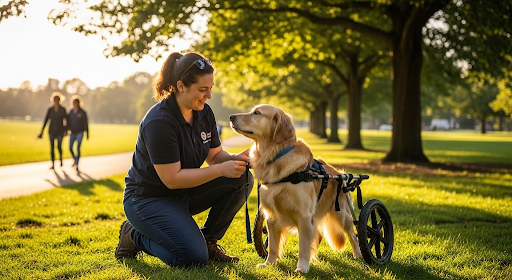
Paralysis in pets is a distressing condition that can drastically impact an animal’s quality of life and present significant challenges for pet parents. It occurs when a pet loses control or movement in one or more parts of its body due to damage in the nervous system, muscles, or spinal cord. While paralysis is most commonly observed in dogs and cats, it can occur in nearly any type of companion animal.
Understanding the potential causes, early diagnosis, and treatment options not only helps extend your pet’s quality of life but also equips owners with the knowledge to offer better care.
What is Pet Paralysis?
Pet paralysis refers to the partial or complete loss of movement in specific body parts. It can be categorized into two main types:
- Partial Paralysis (Paresis): A reduced ability to move, often resulting in weakness or dragging of the affected limb(s).
- Complete Paralysis: A total inability to move the affected part of the body voluntarily.
This condition most often points to issues affecting the spinal cord, brain, or nerves, but can also arise from other underlying health conditions.
Common Causes of Paralysis in Pets
Several conditions can contribute to paralysis in household pets. Some of the most common include:
- Spinal Cord Injuries
Accidents, such as falls, car impacts, or trauma, are among the leading causes of sudden paralysis in animals. Severe impact can damage the vertebrae and compress or sever spinal nerves. - Intervertebral Disc Disease (IVDD)
This degenerative spine condition often affects breeds like Dachshunds, Beagles, and French Bulldogs. A ruptured disc can put pressure on the spinal cord, sometimes causing immediate or gradual paralysis. - Neurological Disorders
Certain degenerative diseases, like canine degenerative myelopathy, progressively weaken the spinal cord until paralysis develops. - Infections and Inflammation
Bacterial or viral infections in the nervous system, as well as tick-borne illnesses like tick paralysis, can disrupt nerve communication and lead to mobility loss. - Tumors
Tumors around the brain, spinal cord, or peripheral nerves can place pressure on nervous tissue and affect motor control. - Congenital Defects
Genetic abnormalities in skeletal or neurological development can also result in partial or permanent mobility issues from an early age.
Diagnosis of Pet Paralysis
Accurate diagnosis is key to determining the proper treatment pathway. Veterinarians usually begin with a complete medical history and physical examination, followed by diagnostic tests such as:
- X-rays to identify fractures, spinal injuries, or abnormalities in bone structure
- MRI or CT scans for detailed imaging of the spinal cord and brain tissue
- Blood tests to detect infections, toxins, or metabolic conditions
- Electrodiagnostic tests to evaluate how efficiently nerves communicate with muscles
These evaluations help pinpoint whether a paralysis case stems from physical trauma, disease, or neurological dysfunction.
Treatment Options for Pet Paralysis
The treatment strategy depends on the root cause of the paralysis. Some common approaches include:
- Medications
Anti-inflammatory drugs, corticosteroids, antibiotics, or pain medications are often prescribed to reduce swelling, control infection, and relieve discomfort. - Surgery
Pets suffering from spinal injuries, ruptured discs, or tumors may benefit from surgery to release pressure on the spinal cord. - Physical Rehabilitation
Veterinary physiotherapy, hydrotherapy, and targeted exercises can strengthen muscles, improve blood flow, and restore partial mobility. - Assistive Devices
Wheelchairs, mobility harnesses, and supportive slings have become invaluable tools, allowing disabled pets to continue engaging in daily activities and outdoor walks. - Supportive Care for Recovery
In cases of tick paralysis, for instance, timely removal of the tick and providing supportive care, including fluid therapy and monitoring, can result in full recovery.
Caring for a Paralyzed Pet at Home
Compassion and consistent care are critical when living with a paralyzed pet. Owners can improve the quality of life by:
- Providing soft, cushioned bedding to prevent pressure sores
- Assisting pets with mobility through slings or pet wheelchairs
- Maintaining proper cleaning routines, especially for pets who lose bladder or bowel control
- Keeping pets engaged with toys, interactive play, and lots of affection
- Scheduling regular check-ups with the veterinarian to monitor progress and adjust care plans
Conclusion
While pet paralysis can appear overwhelming at first, advances in veterinary medicine and modern rehabilitation tools have made it possible for many pets to live long, rewarding lives despite mobility challenges. Awareness of causes, timely diagnosis, and appropriate treatment are essential in helping your pet recover independence and comfort. With patience, dedication, and love, paralyzed pets can not only survive but thrive alongside their humans.

Comments are closed.