

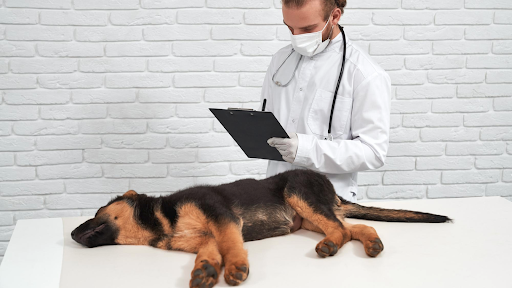
Few things worry dog owners more than watching their pet suddenly lose the ability to walk or stand. One moment, your dog might be running across the yard, and the next, they’re dragging their back legs or unable to move at all. While this can be terrifying, understanding what’s happening inside your dog’s body can help you respond calmly and get them the right care quickly.
In most cases, when a dog suddenly can’t move part of their body, the problem isn’t in the muscles — it’s in the nervous system. The nerves, spinal cord, and brain work together to control movement, and when something goes wrong along that pathway, paralysis can occur. Below are some of the most common neurological conditions that cause this frightening situation.
1. Intervertebral Disc Disease (IVDD)
This is one of the leading causes of paralysis in dogs, especially in breeds like Dachshunds, French Bulldogs, and Corgis. The spine is made up of bones (vertebrae) separated by cushioning discs that act as shock absorbers. When one of these discs ruptures or slips, it can press against the spinal cord — disrupting nerve signals that control movement.
Dogs with IVDD may suddenly lose coordination, wobble while walking, or become unable to move their back legs. Some also experience intense pain, whimpering, or reluctance to move.
Treatment depends on how severe the compression is. Mild cases may improve with strict rest and anti-inflammatory medication, while severe cases often need surgery to relieve pressure on the spinal cord.
2. Fibrocartilaginous Embolism (FCE)
FCE happens when a tiny piece of spinal disc material breaks off and blocks blood flow to part of the spinal cord. It’s sometimes called a “spinal stroke.” This condition usually affects larger breeds, such as Labrador Retrievers or German Shepherds, and often occurs after vigorous exercise or a sudden movement.
The paralysis from FCE usually appears suddenly and painlessly. A dog might yelp once and then immediately be unable to move one or both back legs. The good news is that FCE is not progressive — meaning it won’t get worse over time — and many dogs recover with rest and physical therapy. However, recovery depends on the severity of the initial damage and how quickly treatment begins.
3. Degenerative Myelopathy (DM)
Degenerative Myelopathy is a progressive disease that affects the spinal cord’s white matter — the part responsible for sending signals from the brain to the limbs. It’s most common in older dogs, particularly German Shepherds, Boxers, and Pembroke Welsh Corgis.
Unlike other conditions that cause sudden paralysis in dogs, DM develops gradually. It often starts with a wobbly walk, dragging of the paws, or weakness in the hind legs, eventually leading to complete paralysis. Unfortunately, there’s no cure, but physical therapy, hydrotherapy, and supportive care can help slow progression and maintain mobility for as long as possible.
4. Spinal Cord Injuries
Traumatic injuries are another major cause of paralysis in dogs. Car accidents, high falls, or rough play can fracture or dislocate the vertebrae, damaging the spinal cord. Even a seemingly minor fall can have serious consequences, especially for small or long-backed breeds.
Immediate veterinary care is essential. Vets often use X-rays, MRI, or CT scans to assess the damage. Mild cases may heal with rest and medication, but severe spinal trauma might require surgery. Prompt treatment significantly improves the chances of recovery.
5. Meningitis and Encephalitis
Inflammation of the brain (encephalitis) or spinal cord coverings (meningitis) can also cause paralysis. These conditions may result from infections, immune system reactions, or unknown causes. Dogs with these conditions often show additional symptoms, such as fever, neck pain, seizures, or changes in behavior.
Diagnosis usually involves blood tests, imaging, and sometimes a spinal tap to analyze cerebrospinal fluid. Treatment often includes corticosteroids or antibiotics to reduce inflammation and fight infection. Early intervention is critical to prevent long-term neurological damage.
6. Tick Paralysis
Tick paralysis is caused by a toxin produced by certain species of ticks. As the tick feeds, the toxin enters the dog’s bloodstream and interferes with nerve function. Within days, the dog may develop weakness that progresses to paralysis, typically starting in the hind legs.
Fortunately, this condition can often be reversed once the tick is removed and supportive care begins. Vets may administer anti-tick medication, fluids, and oxygen if breathing becomes difficult. Quick removal of the tick can sometimes result in full recovery within 24 to 48 hours.
7. Spinal Tumors
Tumors that grow on or near the spinal cord can compress nerves and lead to paralysis. Depending on their location, these tumors may cause gradual or sudden symptoms. Early signs often include stiffness, pain, or weakness before paralysis develops.
Diagnosis usually involves advanced imaging such as MRI or CT scans. Treatment options include surgery, radiation therapy, or medication to manage symptoms. While outcomes vary, early detection can greatly improve comfort and quality of life.
Final Thoughts
Experiencing sudden paralysis in dogs is frightening, but understanding the neurological causes behind it can help you act fast and make informed decisions. Many of these conditions are treatable — and even when full recovery isn’t possible, therapy and assistive care can significantly improve your dog’s comfort and mobility.
The key is early intervention. The sooner your vet identifies the root cause, the better your dog’s chances of regaining movement, relief, and a happy, active life again.

Comments are closed.