

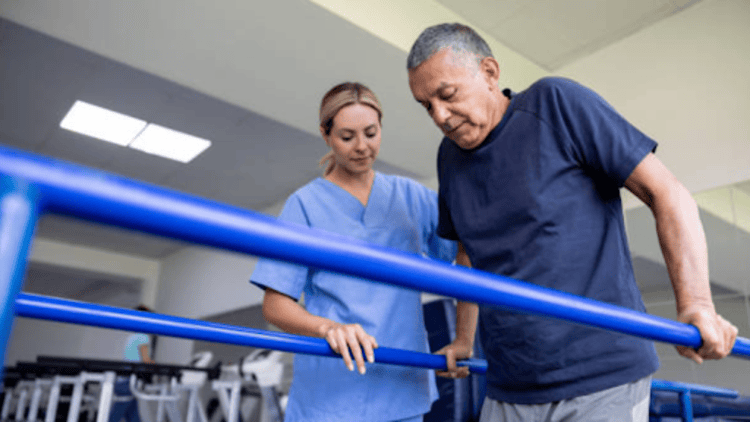
Undergoing surgery can be a life-changing experience. While the operation may be necessary to address health concerns, the post-operative recovery period often presents its own set of challenges. This is where physiotherapy can play a crucial role in your recovery process. If you’re in London, working with a London physiotherapist can ensure that your rehabilitation is tailored to your specific needs, allowing for a smoother recovery and improved outcomes.
Why Post-Operative Rehabilitation Matters
Post-operative rehabilitation is critical for restoring movement, strength, and function after surgery. Without proper rehabilitation, recovery can be slower, and there may be an increased risk of complications, such as stiffness, reduced mobility, and long-term pain. Physiotherapy helps in easing these symptoms by guiding the body through exercises and techniques designed to heal the affected area, prevent further injury, and improve overall well-being.
Here, we’ll explore how physiotherapy aids in post-operative rehabilitation and why you should consider working with a physiotherapist to facilitate a safe, effective recovery.
1. Accelerating Recovery with Targeted Exercises
One of the key benefits of physiotherapy during post-operative rehabilitation is the use of personalised, targeted exercises. After surgery, whether it’s joint replacement, ligament reconstruction, or spinal surgery, it’s important to regain strength, flexibility, and mobility. Physiotherapists design exercise programs that help to gradually restore movement and build strength, with a focus on preventing complications like muscle atrophy and joint stiffness.
A physiotherapist can work with you to develop a rehabilitation plan that adapts to your unique needs. The exercises are typically gentle at first, focusing on restoring range of motion and preventing scar tissue buildup. As you progress, the intensity of exercises will increase, helping to regain strength and endurance, and to restore full function in the operated area.
2. Pain Management Without Medication
One of the most common concerns after surgery is managing pain. While pain medication may be prescribed, physiotherapy provides a natural, non-invasive solution to alleviate discomfort. Techniques such as manual therapy, heat and cold therapy, and soft tissue mobilisation can help manage post-surgical pain without the side effects of medication.
A physiotherapist is trained to use these methods to reduce pain and inflammation, and to help the body heal faster. By incorporating these treatments into your rehabilitation plan, physiotherapists can reduce the reliance on medications, helping to minimise potential side effects and avoid complications related to long-term drug use.
3. Restoring Mobility and Function
After surgery, one of the primary goals of rehabilitation is to restore mobility and function. Depending on the type of surgery, this might involve working on regaining movement in a joint, improving balance and coordination, or rebuilding muscle strength. Physiotherapists assess your individual needs and create a structured rehabilitation plan to restore mobility and function in a way that is safe and effective.
A physiotherapist will guide you through specific movement patterns and exercises designed to improve flexibility, strength, and coordination. This allows you to regain normal function and return to your daily activities faster. For example, after knee surgery, a physiotherapist may work with you on strengthening the quadriceps to improve walking and climbing stairs, while also improving the flexibility of the joint to prevent stiffness.
4. Prevention of Future Injuries
Post-operative rehabilitation doesn’t just help you recover from surgery, but also plays a vital role in preventing future injuries. After an operation, it’s common to experience changes in posture, movement patterns, and balance as your body compensates for the injury. These compensatory changes can increase the risk of re-injury or strain in other areas of the body.
A physiotherapist focuses not just on recovering the operated area, but also on addressing any compensatory movements that may lead to further issues. Through careful assessment and targeted rehabilitation, physiotherapists help correct these imbalances, making sure your body is functioning optimally and reducing the risk of future injuries.
5. Psychological Support and Motivation
Recovering from surgery can be both physically and emotionally challenging. Physiotherapy provides not only physical support but also emotional encouragement. Post-operative rehabilitation often requires patience, and seeing gradual improvement can be motivating. Physiotherapists can provide reassurance, encouragement, and a structured recovery plan that helps patients stay positive and on track during recovery.
A physiotherapist understands that every patient’s recovery journey is different. They offer personalised support, adjusting rehabilitation plans as needed and celebrating small victories along the way. Their holistic approach addresses both the physical and mental aspects of recovery, ensuring a well-rounded rehabilitation process.
6. Tailored Rehabilitation Plans for Various Surgeries
Post-operative rehabilitation needs vary based on the type of surgery you’ve undergone. A physiotherapist is trained to assess your condition, determine the appropriate rehabilitation strategies, and customise a plan that suits your specific surgery. Whether it’s recovering from joint replacement surgery, soft tissue surgery, or a fracture, physiotherapy can be tailored to address your particular situation.
For example:
- After hip or knee replacement surgery, physiotherapy focuses on regaining movement and strength to improve mobility and reduce pain.
- After spinal surgery, rehabilitation focuses on restoring posture, strength, and flexibility in the back, along with improving balance.
- For ligament or tendon repairs, physiotherapy emphasises strengthening surrounding muscles to support the healing process.
Conclusion
Post-operative rehabilitation is a crucial part of any recovery process. Working with a skilled London physiotherapist can significantly improve the outcomes of your recovery by targeting specific areas for rehabilitation, managing pain naturally, and restoring mobility and strength. By addressing not only the physical aspects of recovery but also the emotional challenges, physiotherapists ensure a comprehensive, effective rehabilitation journey. If you’ve recently undergone surgery or are preparing for an upcoming operation, consider booking a consultation with a physiotherapist to ensure you’re on the path to a successful, long-term recovery.
For more information visit us : articlepoint.org

Comments are closed.