

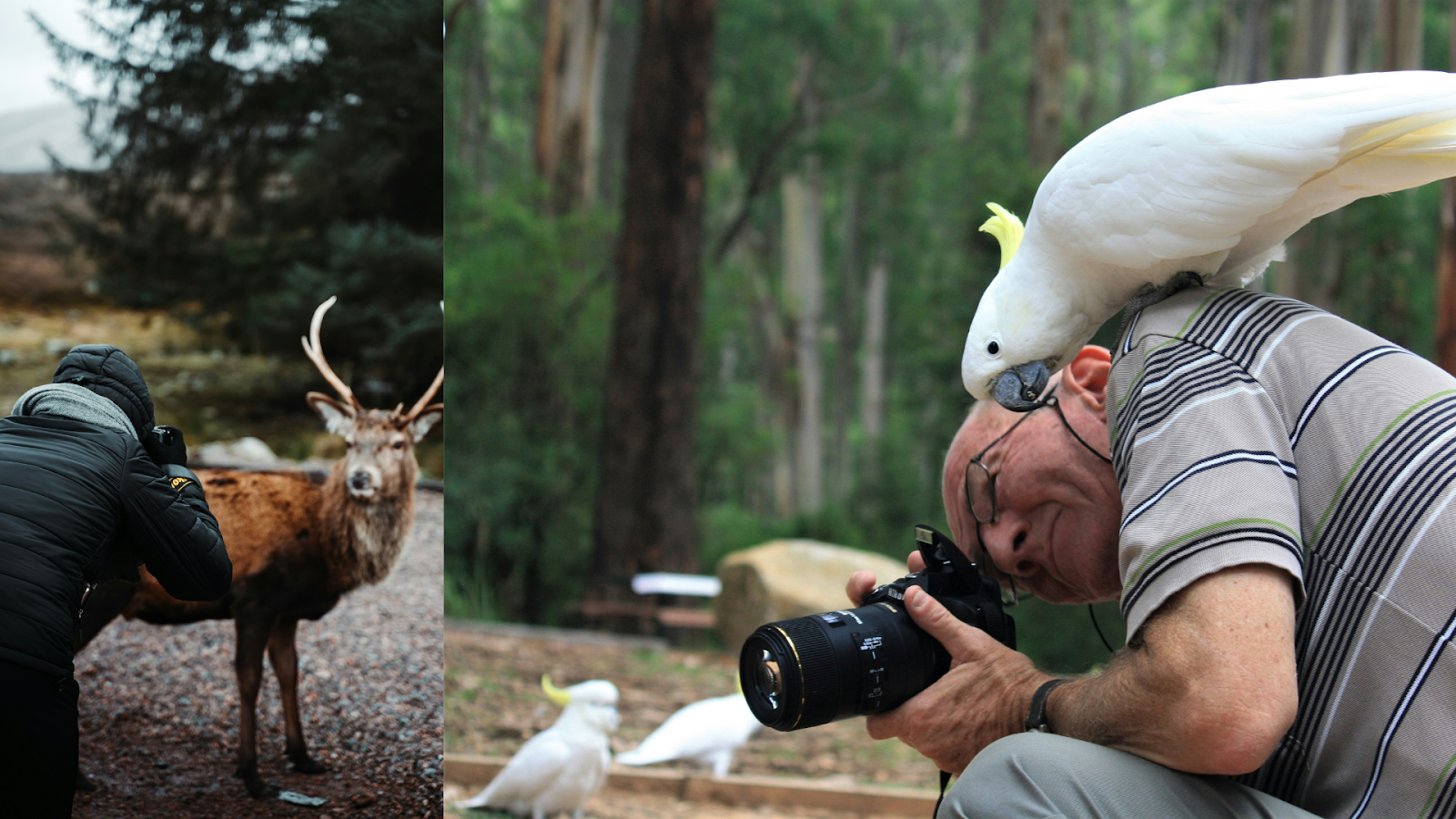
Nature’s beauty captivates our hearts and fuels creativity. From lush forests to vast savannas, every branch, leaf, and animal tells a story.
As Robert Frost said, “The woods are lovely, dark and deep,” reflecting nature’s mysterious charm.
Wildlife photography is about more than just taking photos—it’s about capturing the wild’s essence and preserving its wonder.
This guide will explore essential wildlife photography tips and show how wildlife photography workshops can help refine your skills, turning you into a better visual storyteller.
Why Is It Important To Know The Environment?
Before you pick up your camera, it’s important to understand the environment you’re photographing. Different ecosystems—from dense forests to open savannas—offer different lighting conditions, wildlife, and photographic opportunities.
- Forests: Dense vegetation, shaded areas, and varied wildlife make forest photography challenging but incredibly rewarding. Forests often have low light, requiring you to adapt your camera settings.
- Savannas: These vast open spaces allow for long-distance shots and stunning wide-angle shots of animals in their natural habitat. The bright, often harsh sunlight in savannas requires careful exposure settings.
What Equipment Is Essential For Wildlife Photography?
The right equipment is crucial when photographing wildlife. Here are the basic tools every wildlife photographer should have:
- Camera: A DSLR or mirrorless camera is ideal for capturing high-quality wildlife images. A high frame rate and fast autofocus are essential.
- Lenses: A telephoto lens is your best friend for wildlife photography. Lenses with a focal length of 200mm to 600mm allow you to get close to distant animals without disturbing them.
- Tripod: A sturdy tripod ensures sharp images, especially when using long lenses or shooting in low light.
- Weather Protection: Wildlife photographers often work in unpredictable conditions. A weather-sealed camera bag and lens cover will help protect your gear from rain, dust, and other elements.
Techniques For Capturing Stunning Wildlife Shots
01. Patience is Key
In wildlife photography, patience is essential. Animals can be elusive, and sometimes you’ll need to wait for the right moment to get that perfect shot. Here are a few tips to help you:
- Be Patient: Take your time to observe the animals and their behaviors.
- Stay Still: Sudden movements can startle wildlife. Stay as still as possible to increase your chances of capturing that elusive moment.
02. Master the Right Camera Settings
Proper camera settings are crucial in wildlife photography. Here’s how to get the best results:
- Shutter Speed: To capture fast-moving animals, use a fast shutter speed (at least 1/1000 sec).
- Aperture: A wide aperture (low f-number) helps create a shallow depth of field, focusing on the subject while blurring the background.
- ISO: In low light (like forests), increase your ISO but keep it low enough to avoid grainy images.
03. Focus on Composition
Good composition is what separates a good wildlife photo from a great one. Here are a few tips:
- Rule of Thirds: Place your subject off-center to create a more dynamic and balanced image.
- Natural Habitat: Don’t just focus on the animal. Include elements of their habitat to tell a story.
- Eye Level: Whenever possible, try to shoot at the animal’s eye level for a more intimate and powerful image.
04. Know Your Subject
Understanding the behavior of the animal you’re photographing will allow you to predict movements and capture better shots.
Wildlife photography workshops are a great way to learn more about animal behavior and how to photograph it effectively.
What Is The Role Of Wildlife Photography Workshops?
If you’re looking to improve your skills and learn from experts, wildlife photography workshops are a fantastic option.
- These workshops provide hands-on learning and guidance in real-world settings.
- You’ll have the chance to photograph in diverse environments, from dense jungles to vast plains.
- Receive personalized tips and advice from professional photographers.
- A great opportunity to network with other photographers and share experiences.
Final Thought
Wildlife photography connects you with nature and captures its beauty. By mastering your environment, gear, camera settings, and animal behavior, you can elevate your skills.
Patience and practice are essential, and wildlife photography workshops offer a great way to refine your techniques and capture stunning images.
For more information visit:- articlepoint.org

Comments are closed.