

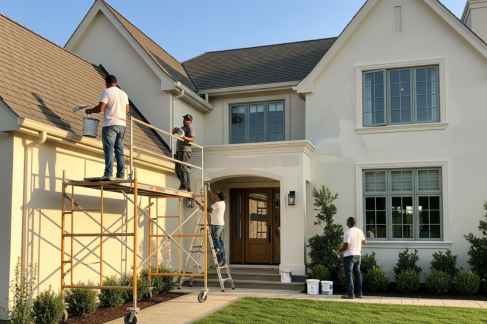
Living in Wilmington, North Carolina offers scenic coastal beauty, mild winters, and proximity to the ocean — but it also presents specific challenges for homeowners, especially when it comes to maintaining exterior paint. The coastal environment, while picturesque, can be harsh on a home’s exterior surfaces.
From salty sea air to high humidity and intense sunlight, several elements of Wilmington’s climate contribute to faster paint deterioration. Understanding these effects can help homeowners make informed decisions about paint types, maintenance, and scheduling repainting.
Salt Air and Moisture Exposure
Wilmington’s location near the Atlantic Ocean means that salt is a constant presence in the air. Salt can be especially damaging to exterior paint because it attracts moisture. When salt-laden air settles on a home’s exterior, it creates a damp film that may not dry completely. This encourages mold, mildew, and peeling. Over time, salt crystals can break down paint binders, leading to blistering and flaking.
Salt also promotes corrosion on metal surfaces, which is especially important for homes with metal railings, trim, or fixtures. When paint begins to degrade on these elements, rust can form underneath, eventually bleeding through and causing staining or bubbling in the paint film. To combat this, homeowners in Wilmington need paints formulated to resist salt and moisture, often labeled as marine or coastal-grade.
High Humidity and Its Consequences
Wilmington experiences high humidity for much of the year, particularly in the summer. Constant exposure to humid air can cause the wood underneath painted surfaces to swell and contract. This movement stresses the paint, causing it to crack, peel, or warp. Furthermore, high humidity can prolong drying times during painting projects, which can lead to uneven coverage or increased dust and debris sticking to wet surfaces.
Humidity also encourages biological growth. Mold, mildew, and algae are frequent issues on shaded or north-facing walls that don’t get enough sunlight. These organisms can degrade paint film and cause discoloration or dark streaks. Therefore, paints used on homes in Wilmington should contain mildewcides or anti-fungal properties to resist such growth.
Sun Exposure and UV Radiation
While the ocean breeze may offer a cooling effect, Wilmington’s coastal sun is strong and relentless. Prolonged UV exposure can cause significant damage to exterior paint. Ultraviolet rays break down the chemical bonds in paint, resulting in fading, chalking, and brittleness over time. This effect is particularly noticeable on darker paint colors, which absorb more heat and UV energy.
The south-facing side of most Wilmington homes will bear the brunt of this solar exposure. As a result, repainting may be required more frequently in these areas. High-quality paints with UV-resistant pigments and binders can help slow the process, but sun damage is an inevitable factor that needs regular attention.
Wind and Storm Impact
Wilmington’s proximity to the coast also makes it vulnerable to tropical storms and hurricanes. Strong winds during storm seasons can drive rain sideways against walls and force salt spray and sand into nooks and crevices. Flying debris can cause scratches or gouges in the paint, especially on wood siding or trim.
The combination of wind-driven rain and salt makes regular maintenance a necessity. Power washing and prompt touch-ups of damaged areas can prevent long-term deterioration. Choosing durable, flexible paints that can expand and contract with changing temperatures will help paint endure strong winds and shifting coastal weather patterns.
Temperature Fluctuations
Though Wilmington has relatively mild winters, the area still experiences notable temperature fluctuations between seasons and even between day and night. These shifts can cause surfaces to expand and contract, especially wood siding. This movement puts stress on the paint and can lead to cracks and separation from the substrate. Over time, even the best paint can become compromised under these conditions.
Acrylic latex paints tend to perform better in these environments, as they have superior elasticity and adhesion properties. They can adapt better to temperature swings without cracking or losing their protective seal.
Importance of Surface Preparation
In Wilmington’s coastal climate, the success and longevity of exterior paint rely heavily on proper surface preparation. Cleaning surfaces to remove salt, mold, and algae before painting is essential. Without adequate preparation, new paint may fail to adhere properly or may trap contaminants underneath, accelerating deterioration.
Pressure washing, sanding, and priming are especially important steps for homes exposed to salt and moisture. For metal surfaces, rust inhibitors should be applied before painting. Skipping these steps can significantly reduce the life of your paint job.
Recommended Maintenance Schedule
Given all the challenges presented by Wilmington’s climate, a proactive maintenance schedule is critical. Homeowners should inspect their exteriors at least twice a year — ideally in spring and fall — to identify signs of paint failure such as peeling, blistering, fading, or mildew. Touch-up painting and power washing can help extend the lifespan of the full exterior coat.
Repainting every 5 to 7 years is generally recommended for homes in coastal areas, but this interval may be shorter depending on paint quality and exposure. Investing in premium-grade paint and using professional exterior painting services in Wilmington will typically pay off with longer-lasting results.
Conclusion
Wilmington’s coastal beauty comes with unique responsibilities for homeowners. The combination of salty air, high humidity, UV radiation, and occasional storms can wreak havoc on a home’s exterior paint. By choosing the right materials, preparing surfaces properly, and staying on top of maintenance, residents can protect their homes from the elements and keep their exteriors looking fresh and resilient. A well-maintained paint job not only enhances curb appeal but also acts as a vital protective barrier against Wilmington’s challenging coastal climate.

Comments are closed.